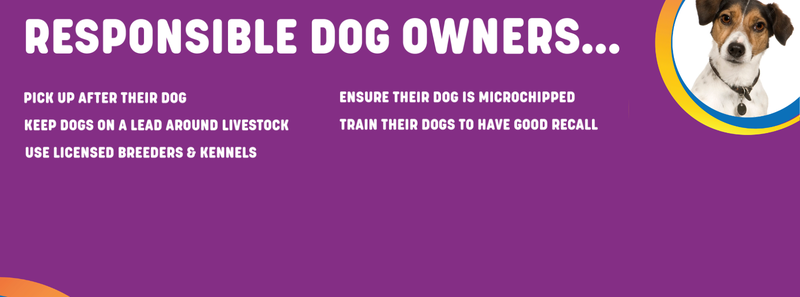
Owning a dog is one of life’s greatest joys—after all, they’re man’s best friend—but being a loving owner also means taking on important legal responsibilities to keep them safe and happy and give you peace of mind.
Dog ownership and the law
Under the Animal Welfare Act 2006, anyone responsible for a dog has a legal duty to care for them properly and meet their five essential welfare needs: providing a healthy diet and fresh water, a suitable place to live, the right companionship, the ability to behave naturally, and protection from illness or injury.
In addition to this there are several other legal responsibilities:
1. Control
Keeping your dog under control in public is essential for everyone’s safety. Good recall -your dog reliably returning when called - is one of the most important skills they can learn. It helps prevent accidents, stops unwanted interactions, and keeps both your dog and others safe. Under The Control of Dogs Order 1992 If your dog injures someone, you could face criminal prosecution, and in serious cases a court may decide the dog is a danger to the public.
If you’re ever worried that someone else’s dog is out of control or posing a risk, you can report it by calling 101.
Dogs and livestock
Where notices instruct dog owners to keep their dogs on a lead—particularly in areas where sheep are present—these requirements must be complied with, as failing to do so may endanger livestock and could result in the owner being held legally responsible for any damage caused. Dogs worrying or chasing livestock can be legally shot without warning by a farmer, and as the owner, you may also face prosecution—so always keep your dog close and under control around animals and farmland.
Public Spaces Protection Orders (PSPOs)
Local councils can introduce Public Spaces Protection Orders (PSPOs) to help manage and reduce anti‑social dog behaviour. These orders may include:
- dog exclusion zones – Areas where dogs are not permitted, such as children’s playgrounds or other designated spaces.
- lead‑required zones – Areas where anyone walking a dog must keep it on a lead. These often include places like cemeteries and churchyards.
- restrictions on the number of dogs – Areas where individuals are not allowed to walk more than four dogs at one time.
Any area subject to a PSPO must have clear signage in place.
Dog Training
If you’re looking for help with training your dog, be sure to read reviews and choose reputable, qualified professionals. Reliable sources include the Association of Pet Dog Trainers (APDT), where you can use their Find a Trainer tool, and the Animal Behaviour and Training Council (ABTC), which lists accredited Practitioners.
2. Dog fouling
Dog fouling is an environmental hazard, if you do not clear up your dog’s mess you can be issued with a fixed penalty notice, currently £50, or you could be taken to court and face a fine of up to £1,000.
3. Identification:
The Control of Dogs Order 1992 dictates that dogs must wear a collar and tag with the name and address of its owner on when out in a public place. Failure to comply may result in a £5,000 fine (note, your dog must still wear an identity tag even if it is microchipped).
4. Microchipping
Since April 2015, microchipping dogs has been compulsory, you can be fined up to £500 if your dog is not microchipped. It only takes a few minutes and will last forever. A tiny microchip is inserted under the animal’s skin, giving the dog their own unique code. This is registered on a national database and can be used to quickly trace the owners should the dog be lost or stolen.
Remember, to keep your details up to date. If you move house or change your phone number, make sure you amend your details with the relevant microchipping database operator.
Find out how to get your dog microchipped, including how to get this done for free.
5. Barking dogs
Excessive or persistent barking can be treated as a statutory nuisance. The Council can investigate complaints and issue formal notices requiring owners to reduce the noise, with fines for those who don’t comply.
Dog breeders and boarding kennels
If you’re planning to buy a dog from a breeder, use dog daycare or a boarding kennel, it’s very important to choose a licensed provider who meets proper welfare standards.
The council is responsible for issuing animal licences for those selling pets, providing boarding kennels, dog day care, breeding dogs, and keeping or training animals for exhibitions.
When meeting a breeder, look for someone who genuinely prioritises the health, temperament, and wellbeing of their dogs - not profit. Avoid puppy farms or anyone unwilling to show you the puppy’s mother or the environment they’re raised in.
If you’re using dog day care or kennels, visit them beforehand and ask questions about their setup and care routines.
In Buckinghamshire, you can check whether a breeder or business holds a valid licence through the Animal Activities Licences PR register.
And remember, adopting a dog is a wonderful option - rescues are full of loving dogs waiting for a fresh start.
Reporting a stray or lost dog
Even the most obedient and well looked after dog can disappear on occasion, a dog will be treated as a stray if it’s not under anyone’s control. The council is responsible for dealing with and collecting stray dogs.