Adopting older children
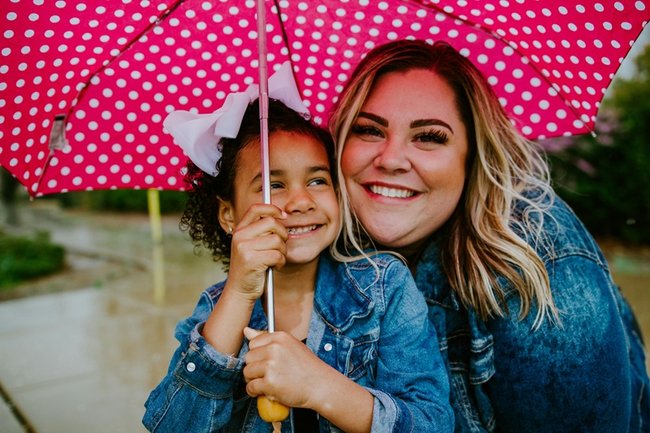
Adopting an older child is a loving and rewarding journey that, with patience, understanding, and support, builds trust, honours a child’s identity, and creates lasting belonging for the whole family.
Adopting an older child is one of the most courageous commitments a family can make. It’s an act of love that meets a child where they are, bringing their history, strengths, and hurts, and invites them into stability, belonging, and a future.
It is also complex. Older children have lived through transitions, losses, and often trauma. They carry memories and identities that don’t reset when they move homes.
With the right preparation, support, and mindset, families can thrive in this journey.
Trust
Older children may have experienced multiple placements or broken promises. Trust is earned slowly through predictable routines, calm responses, and time.
It often looks like tiny steps forward, accepting help, sharing a worry, returning after a conflict.
Identity, loss, and grief
Older children have a clearer sense of their past, names, faces, places, languages, and traditions. Adoption can feel like both gain and loss.
Grief and loyalty conflicts may surface as anger, withdrawal, or idealizing the past.
Trauma-related behaviours
Behaviours often reflect survival strategies, not defiance: hiding food, controlling situations, testing boundaries, or shutting down emotionally.
Trauma-informed parenting reframes “what’s wrong with you?” to “what happened to you, and how can we help you feel safe?”
School and development
Instability can create academic gaps, executive function challenges, and anxiety around learning. Gentle structure, individualized supports, and celebrating progress, not perfection, are key.
Birth family connections
Older children may have memories or ongoing contact with birth relatives. These relationships can be meaningful yet complex. Clear boundaries, safety planning, and empathy help children hold both parts of their story.
Within Bucks, we are here to guide and support you through this process.
Building trust after years of instability
Maria adopted 5-year-old Dee after an adoption breakdown and several foster placements. Dee challenged Maria in every way, including on one occasion spitting in her face; bedtime brought panic.
Maria, who is a single adoptive mother, created a predictable evening routine, snack offered without judgment, a calming playlist, and a short “check-in” where Dee could pass or share one feeling. With co-regulation (Maria modelling calm breathing, soft tone), therapy, and no surprises around transitions, Dee’s behaviour started to minimize.
Some years later, Dee is able to initiate their evening check-ins herself. The journey is not over, but her sense of safety and trust has grown.
Takeaway: Safety precedes behaviour change, rituals build trust
When Dee became dysregulated, Maria shifted to PACE-aligned responses (Playfulness, Acceptance, Curiosity, Empathy):
“I can see you’re furious. I care about what happened. Help me understand the hardest part.”
She added repair rituals after blow-ups (brief check-in, re-affirm commitment). Over time, Dee began returning more quickly after conflict.
Takeaway: Relationship over perfection
Dee is one of six siblings. To support her sense of identity and belonging, Maria developed a structured contact plan in collaboration with the other foster carers and adoptive parents. This plan ensures that Dee maintains regular connections with her siblings through both in-person visits and virtual meetings throughout the year.
Maria recognizes that these relationships are essential for Dee’s emotional stability and for fostering a positive sense of self, as they affirm that her family remains an important part of her life.
Additionally, because Dee comes from a different cultural background than Maria, it is vital that her heritage is respected and honoured. Maintaining sibling contact is a meaningful way to preserve this connection and celebrate her cultural identity.
Takeaway: Keeping siblings connected and honouring a child’s cultural roots helps them feel seen, valued, and secure as they build a new sense of belonging
A quote from Maria:
"Two years after adopting my daughter, being a parent is still a bit scary, and I know there are tougher times ahead. I always grab with both hands any offer of help I get from friends and family. Every day is a balancing act between being there for my daughter and doing what I need to provide for us. But despite everything, my life is far richer with my daughter in it"
Final thoughts and a quote from an adopter of an older child:
"Adopting an older child isn’t about fixing them, it’s about being their safe place, the steady presence they can count on. The journey takes time, and yes, there will be hard days. But look for the little victories: a shared laugh, a hug that wasn’t asked for, a question that shows trust is growing. Those moments matter, they’re signs of healing.
This path is challenging, but it’s also full of joy. It calls for patience, humility, and love that doesn’t give up. And in return, you’ll see incredible growth, not just in your child, but in yourself. With the right support and preparation, you’re not just giving a child a home; you’re helping write a new chapter where safety, identity, and hope can bloom".